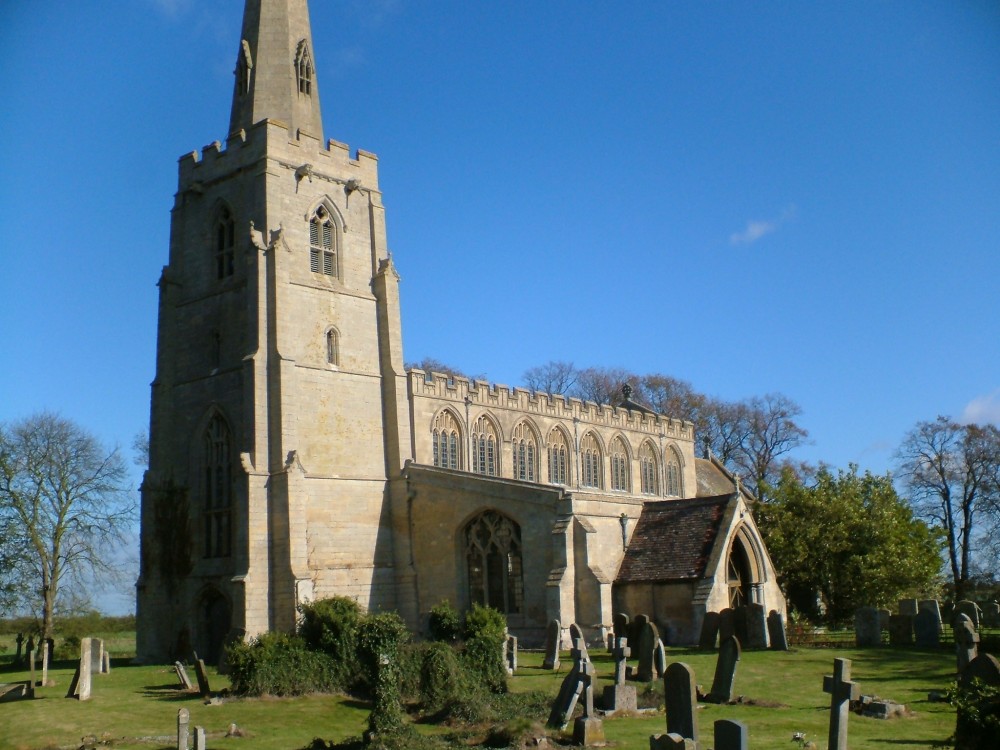
St Margaret's Church stands beside the village school, dedicated to St Margaret of Antioch. A church has stood here for over 700 years — Lincoln Diocesan records show the induction of a vicar to Quadring as early as 1250, and the Domesday Book of 1086 records that a large part of Quadring parish belonged to the Bishop of Lincoln.
A changing ownership
The Percy family bequeathed the church to the Abbess of Stainfield Priory near Lincoln. When Henry VIII dissolved Stainfield Priory the church was likely damaged, until King Edward VI restored the Bishop of Lincoln's right to appoint its priests. Church registers record a young Elizabethan vicar who struggled with the marshy fenland climate, losing his wife and two children before his own death within two years.
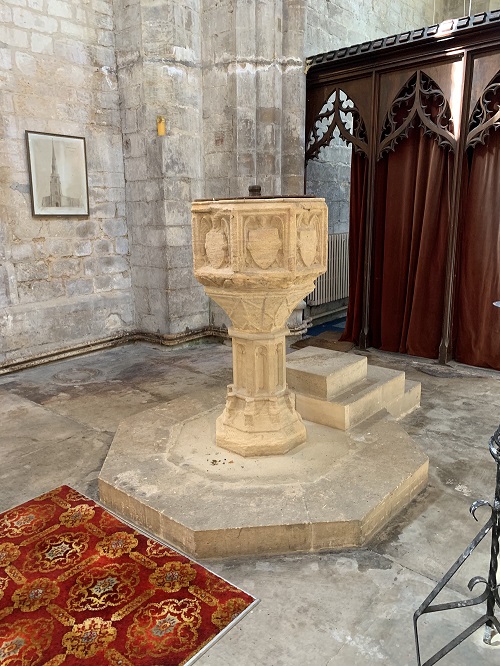
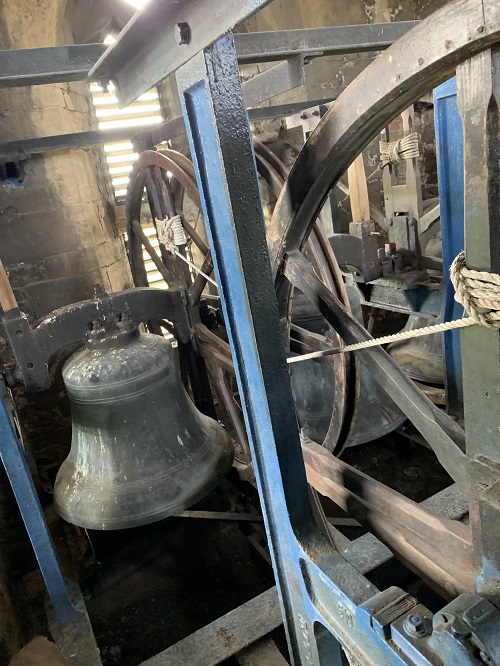
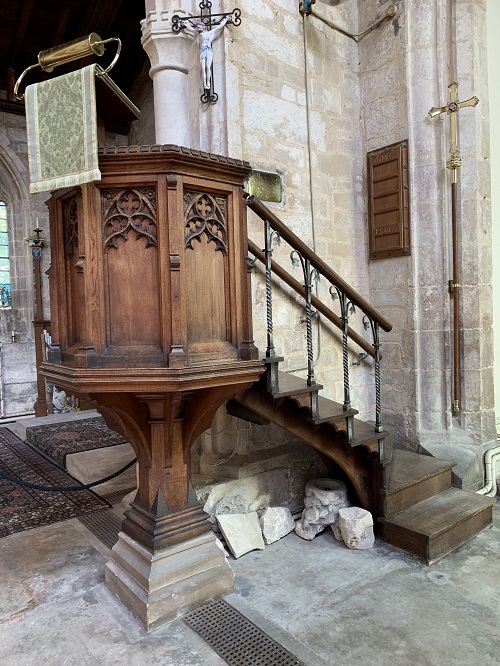
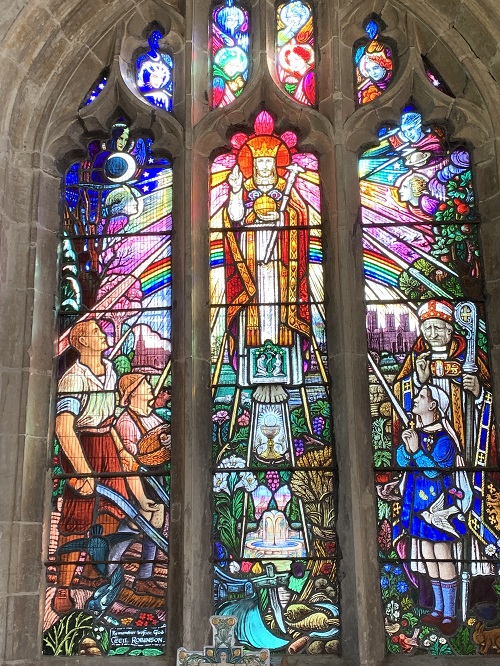
Notable features
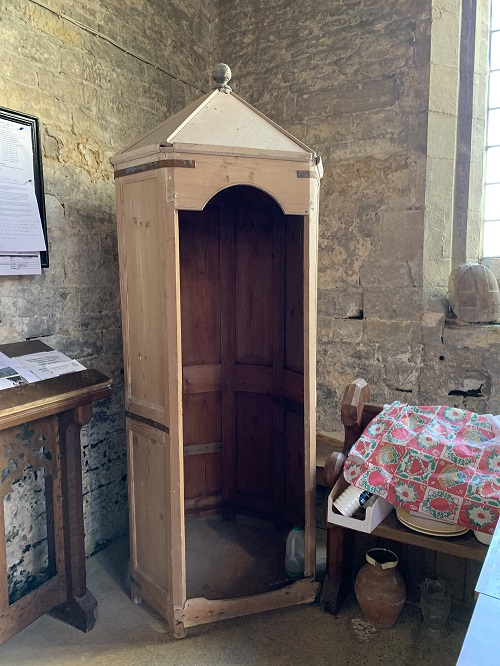
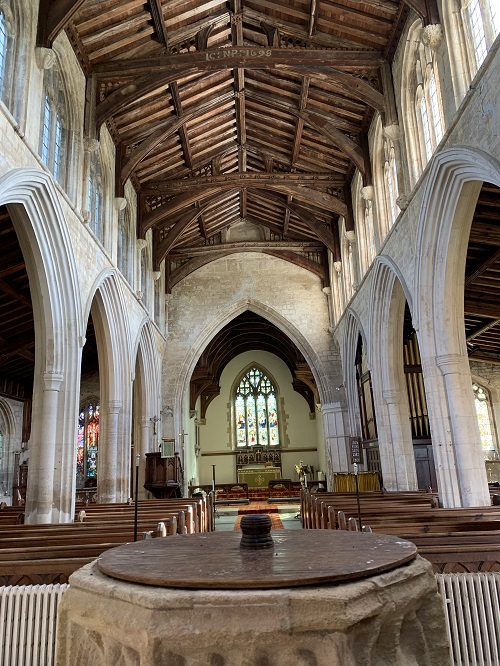
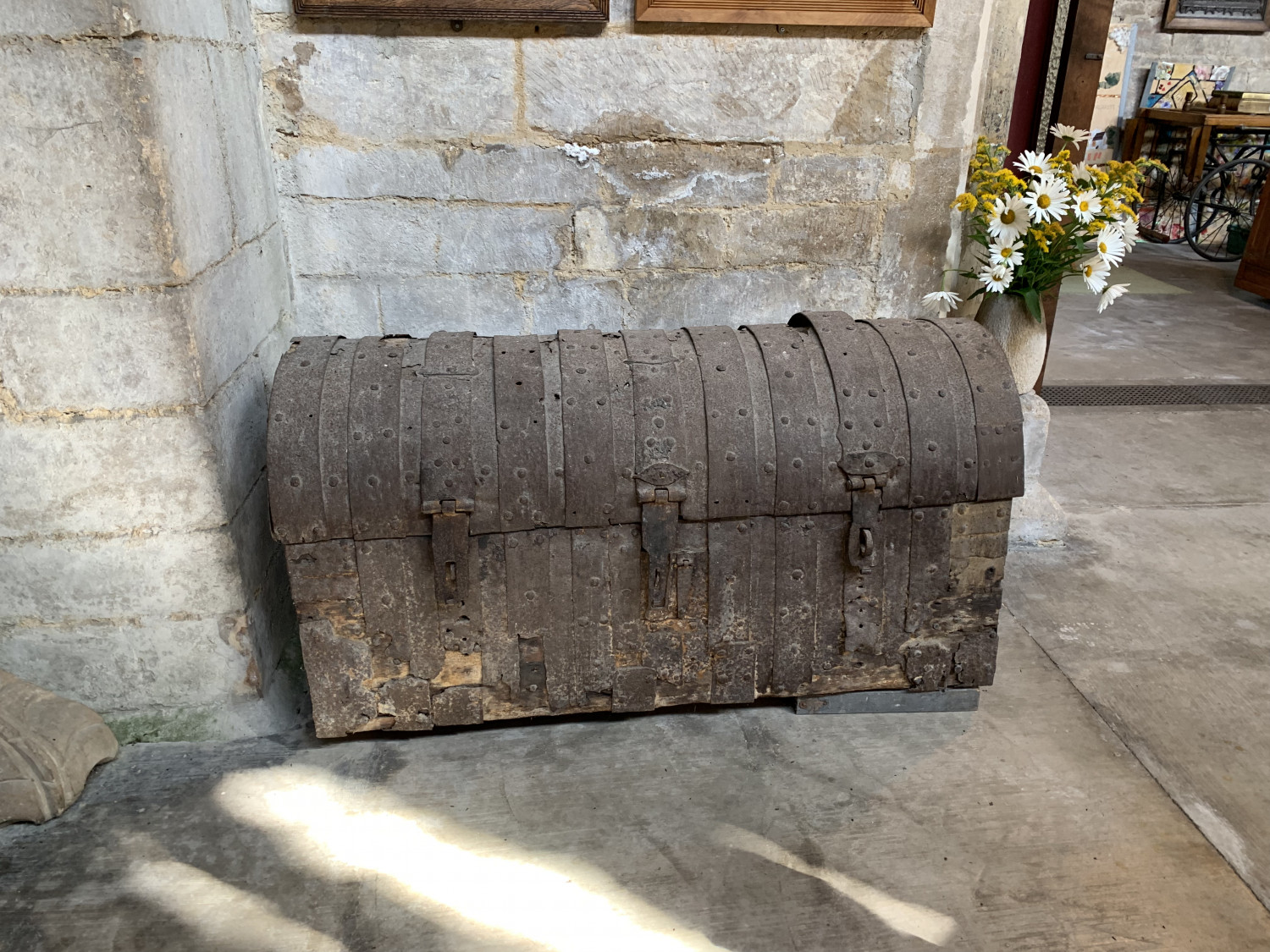
St John's chapel in the south transept holds a Piscina for washing communion vessels. A beam repair from 1698 is marked with the initials "IP & NC", presumed to be churchwardens of the time, and heraldic coats of arms on the chancel pillars are thought to belong to the Derby family, who donated eight windows to the nave in 1400. An ancient chest with three locks was stolen in 1836 and later recovered damaged. The organ was donated by the Robinson family.
A brass plaque in the church translates: "Here lies Bristovius Brown a perfect child... who departed in the third year of his birth January 9th year of our Lord 1685/6." Another tablet honours Richard Pereson, vicar in 1472.
Look for the "scratch-dial" on the outer wall of the south door — an ancient sundial marking the hours before mechanical clocks existed. A lightning strike in 1939 damaged the font tower.
The church holds Grade 1 listed status from Historic England.
Watch a mini quadcopter flight through the church, filmed by Geoff Reynolds →